
Personalized Care for People and Horses.
What to Expect
One-on-One, Personalized Care
No matter which service you choose, Lauren’s approach is collaborative, thorough, and focused on meaningful progress.
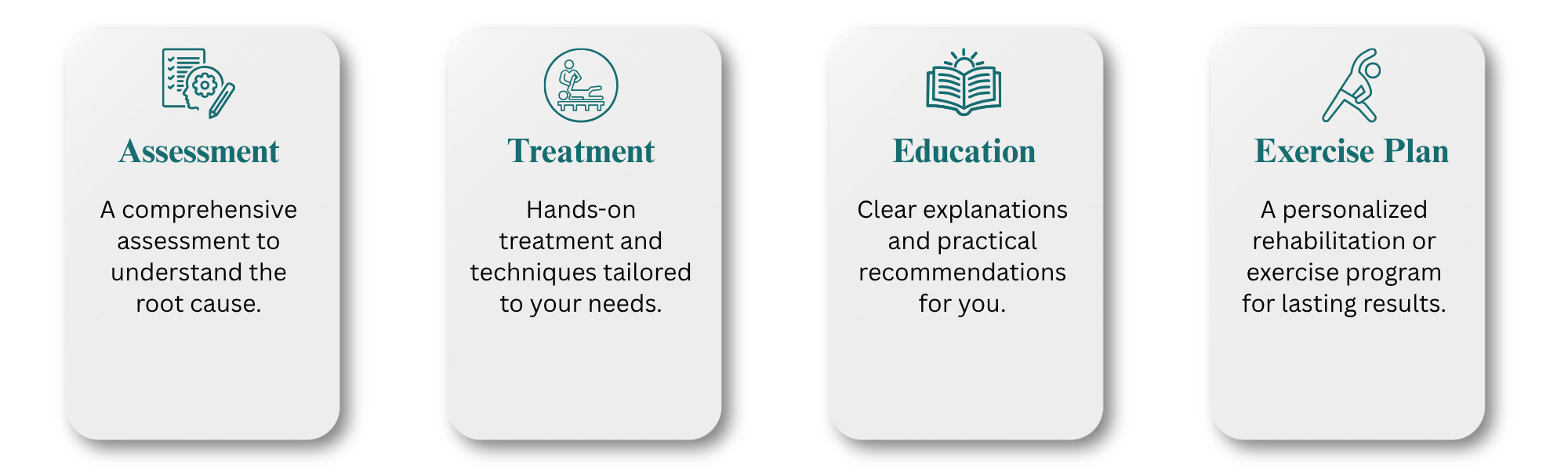
Your appointment will generally include:
Physiotherapy Delivered to You
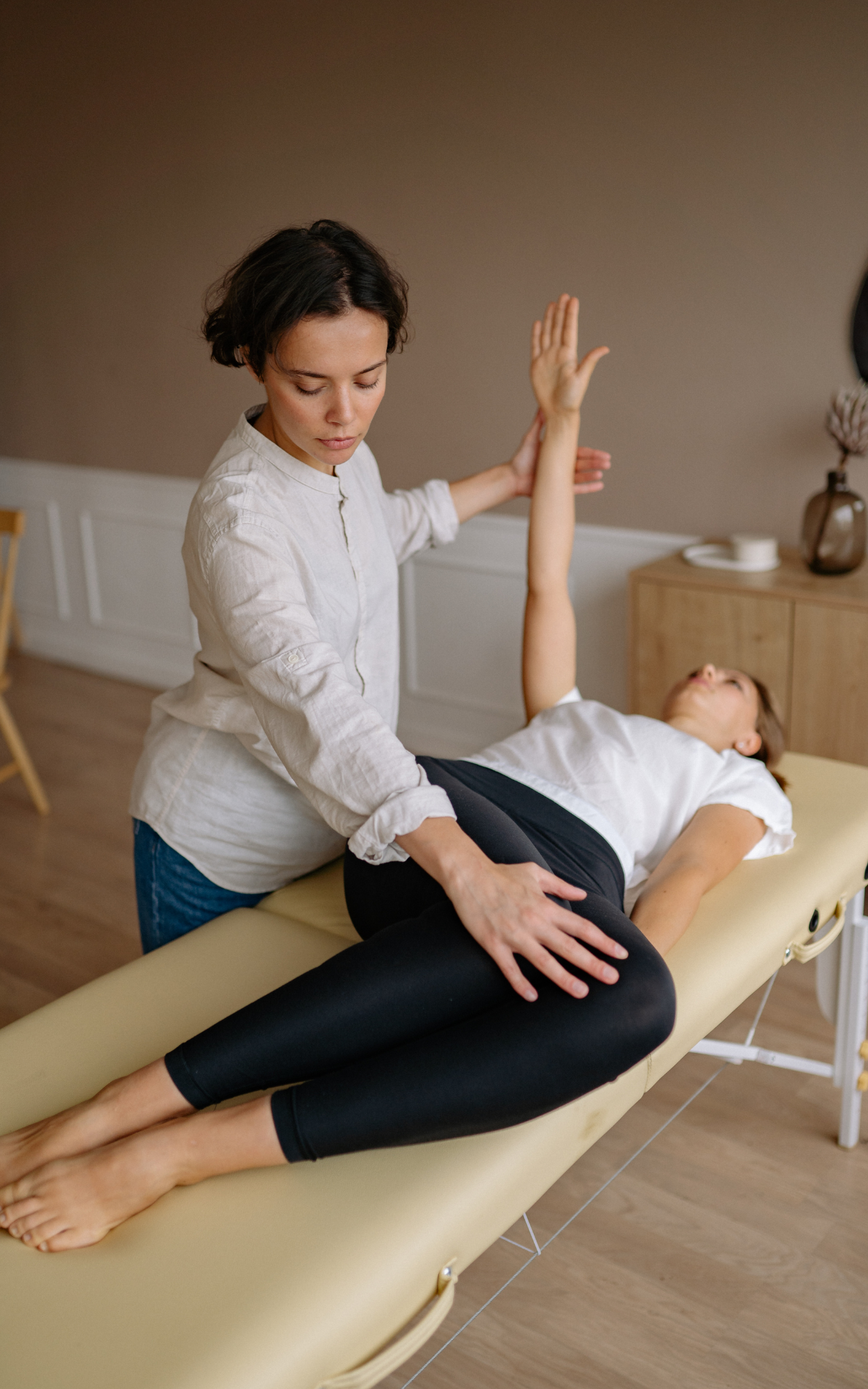
Mobile physiotherapy allows you to receive professional assessment and treatment in the comfort of your home, barn/stables or local horse show.
Each appointment is one-on-one and tailored to your symptoms, functional needs, and personal goals.
Mobile physiotherapy may help with:
Sports related injuries including sprains and strains, tendon injuries, muscle tears
Shoulder, hip, knee ankle and foot pain or injuries
Neck and back pain
Joint conditions such as arthritis, stiffness and reduced mobility
Repetitive strain injuries
Concussions
Return to activity
Following a fracture or surgery (No AHS funding is available)
Your appointment may include:
Comprehensive Assessment
a detailed review of your symptoms, medical history, lifestyle, movement concerns and goals for treatment.
Hands-On Treatment
Treatment may include manual therapy, joint techniques, soft-tissue treatment, and other appropriate physiotherapy methods.
Advanced Treatment Options
Depending on your needs, care may include dry needling, spinal manipulation, shockwave therapy, or blood flow restriction training.
Personalized Exercise Program
You will receive exercises and recommendations selected specifically for your recovery and functional goals.
A collaborative approach
Lauren works with you to create a practical treatment plan that fits your lifestyle and helps you return to the activities that matter most.

Concussion Care
Individualized Support for Concussion Recovery
Concussion symptoms can affect far more than just the head. They may influence balance, vision, concentration, sleep, neck movement, exercise tolerance, and day-to-day function.
Lauren provides mobile concussion assessment and treatment focused on understanding your symptoms and supporting a safe, gradual recovery.
Concussion care may address:
Dizziness or balance changes
Headaches
Neck pain or stiffness
Visual sensitivity
Difficulty concentrating
Motion sensitivity
Reduced tolerance for school, work, or exercise
Challenges returning to sport or daily activity
Your assessment may include:
Symptom Review
A detailed discussion of the injury, current symptoms, and how they are affecting daily life.
Balance and Movement Assessment
Evaluation of balance, coordination, mobility, and functional movement.
Vestibular and Visual Screening
Assessment of systems that may contribute to dizziness, visual discomfort, or motion sensitivity.
Neck Assessment
Evaluation of the cervical spine and surrounding muscles when neck symptoms are involved.
Treatment may include:
Vestibular rehabilitation
Balance exercises
Visual and movement-based exercises
Manual therapy
Neck rehabilitation
Education and symptom management strategies
Gradual return-to-activity planning
Every recovery is different, so treatment is adjusted according to your symptoms, progress, and daily demands.
Equine Rehabilitation
Supporting Movement, Recovery, and Performance
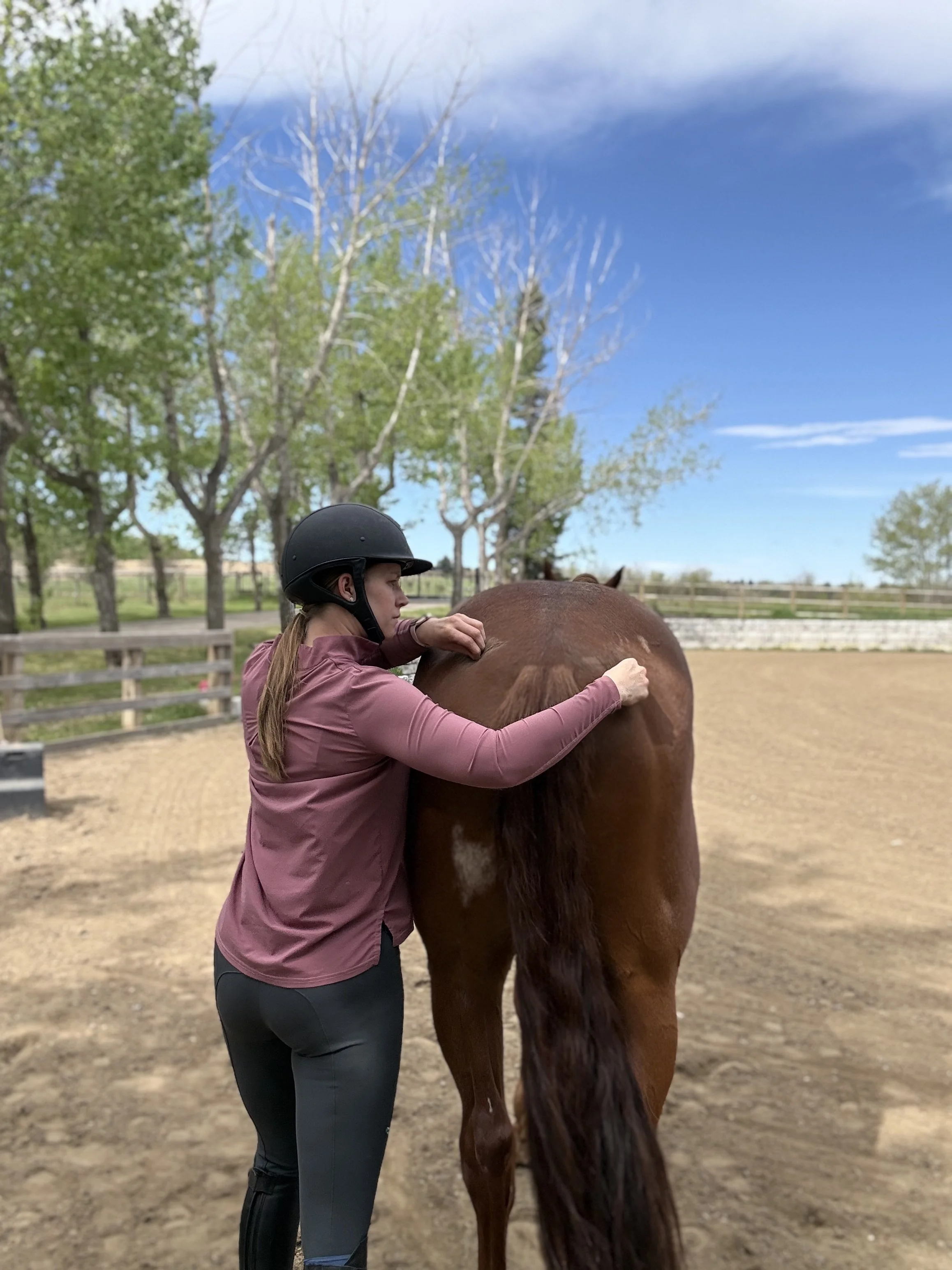
Lauren combines her physiotherapy background, advanced equine rehabilitation training, and lifelong equestrian experience to provide personalized care for horses.
Each appointment considers the whole horse, including posture, movement, biomechanics, muscle function, and performance demands.
Equine rehabilitation may support:
Changes in movement or performance
Recovery following injury
Return to work or training
Reduced mobility or flexibility
Muscle imbalance or weakness
Rehabilitation following veterinary treatment
Conditioning and injury prevention
Ongoing performance support
An equine appointment may include:
Biomechanical Assessment
Observation of posture, movement, gait, and functional patterns.
Hands-On Assessment
Evaluation of muscle tone, mobility, symmetry, and areas of restriction or sensitivity.
Individualized Treatment
Treatment may include manual therapy and other appropriate rehabilitation techniques.
Personalized Home Exercise Program
Exercises and recommendations designed for the horse, owner, and training environment.
Collaborative Care
When appropriate, Lauren may work alongside your veterinarian, farrier, trainer, or other members of your horse’s care team.
Care designed for the individual horse
Every horse has different movement patterns, workloads, injuries, and performance goals. Lauren develops rehabilitation recommendations based on the findings of the assessment and the horse’s specific needs.